
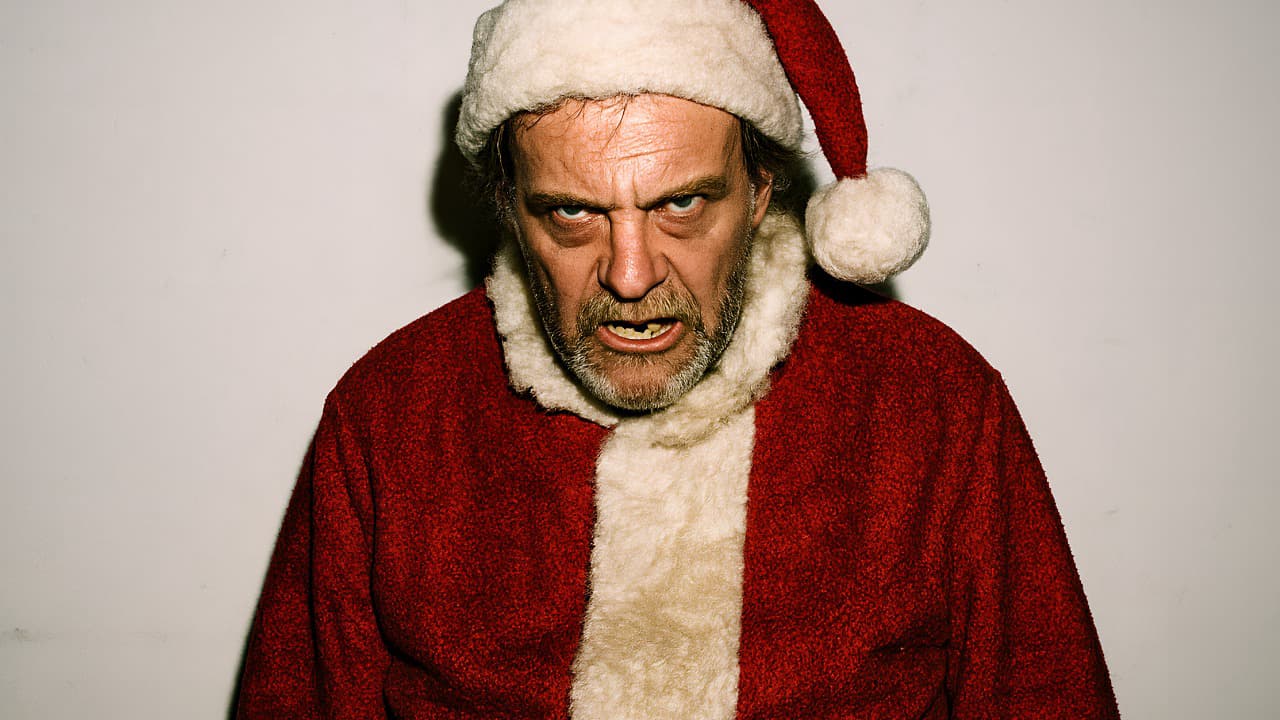
Why Christmas Is Secretly Perfect for Horror
Christmas is supposed to be safe.
Lights glow in windows. Doors are locked earlier than usual. Families gather in familiar places and follow the same rituals they’ve followed for years. There’s comfort in repetition. Comfort in tradition.
That’s exactly why Christmas is such a perfect setting for horror.
Horror doesn’t work best in places we already expect to be dangerous. It works when something goes wrong in a place that should protect us. And few times of year promise safety more loudly than Christmas.
Christmas Is Built on False Security
During the holidays, people lower their guard.
We trust more easily. We assume good intentions. We invite people into our homes who we don’t see often. We travel long distances to places we barely know anymore, convincing ourselves that familiarity hasn’t changed.
Christmas quietly tells us that we’re safe here, that we belong, and that nothing bad happens now. That assumption is fragile. And horror lives in fragile assumptions.
A scary Christmas story doesn’t need monsters or ghosts. All it needs is one small crack in that sense of security, and the whole thing collapses.
In Most Places, It Gets Dark Earlier
In most places, December shortens the day without asking.
Darkness shows up in the late afternoon. People leave work under a sky that already feels like night. Errands that would normally feel routine take on a different weight when they’re done under streetlights instead of sun.
Earlier darkness changes how spaces feel. Familiar streets seem less familiar. Parking lots feel wider. Houses look closed off, even when they’re decorated. The lights are meant to be comforting, but they also make everything beyond them harder to see.
Cold and winter weather deepen the effect. Sound carries poorly. Movement goes unnoticed. People assume that if something were wrong, they would hear it. They assume someone else would notice first.
Earlier darkness doesn’t create danger. It creates blind spots. And Christmas happens right in the middle of them.
Children Are Central to Christmas—and That Matters
Christmas is one of the few times of year that centers children so completely.
Stories are told to them. Traditions are created for them. Adults work hard to preserve magic, even if it means lying a little, hiding a little, or not asking too many questions.
That creates vulnerability.
In horror, children don’t need to be harmed for a story to be disturbing. They just need to be involved. Their presence raises the stakes. Their trust heightens tension.
A missing child at Christmas isn’t just tragic. It feels wrong on a deeper level. It violates something fundamental. That’s why Christmas horror lingers.
Text Messages
Scary stories used to be told out loud. Around tables. Late at night. In familiar rooms.
Now they’re told through phones.
Texting turns fear into something immediate. There’s no narrator and no distance. Messages arrive in real time, often incomplete and often unanswered. The space between replies becomes part of the story.
At Christmas, those gaps feel heavier. People assume someone is busy, driving, asleep, or celebrating. Silence doesn’t immediately raise alarms, which gives fear room to grow.
A single message can sit unread for hours. A typing bubble can disappear. A read receipt can be the last thing someone ever sees.
Texting doesn’t just tell the story. It traps the reader inside it.
A Short Scary Christmas Moment
Here’s the kind of horror Christmas does best—quiet, grounded, and familiar.
Me: just got home
Mom: already?
Me: the porch light was on
Mom: it always is
Me: the door was unlocked
Mom: we locked it
Me: everyone asleep?
Mom: you came home earlier
In the morning, my mom asked why I’d come home twice.
Nothing supernatural. Nothing flashy. Just a violation of expectation.
That’s Christmas horror.
Why These Stories Work Year After Year
Christmas horror works because it doesn’t rely on spectacle. It relies on betrayal, not of people, but of expectations.
Christmas promises warmth, safety, and belonging. Horror quietly asks what happens if that promise isn’t true.
Once that question is planted, the lights feel dimmer. The silence feels heavier. Every tradition feels just a little more fragile.
Which is exactly what good horror is supposed to do.
Christmas promises safety.
Horror reminds us how fragile that promise is.
Merry Christmas...
And Don't Turn Around...
Paul
No comments yet. Be the first to share your thoughts!